Singapore is currently undergoing a substantial technological transformation in its road pricing framework, which involves the replacement of the traditional In-vehicle Unit (IU) with the advanced (although controversial and arguable) On-Board Unit (OBU). This transition is a core component of the move towards the next-generation Electronic Road Pricing (ERP) system, known as ERP 2.0, which is based on the Global Navigation Satellite System (GNSS).
This Drive in Singapore guide first explains the relationship between ERP 2.0 and the On-board Unit (OBU), then details the components, features, and installation options of the OBU, and finally answers questions you may have about ERP 2.0 and On-Board Unit (OBU).
About ERP 2.0 and On-Board Unit (OBU)
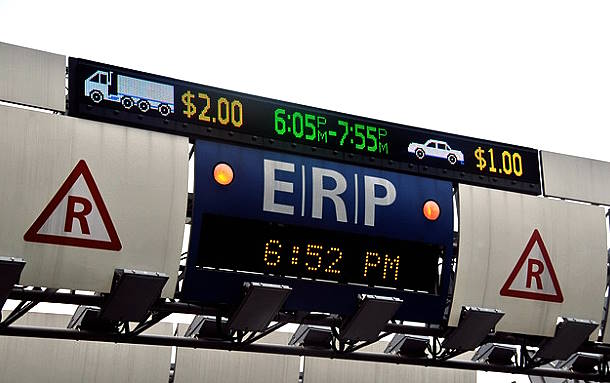
The existing gantry-based Electronic Road Pricing (ERP) system has functioned effectively for over 25 years, having been implemented in 1998. It will soon (but the date has not been announced) be superseded by the advanced Global Navigation Satellite System (GNSS)-based ERP 2.0 system, which aims to enhance the efficiency and precision of road pricing mechanisms.
In conjunction with this transition to the ERP 2.0 system, it is imperative that all vehicles registered in Singapore replace their current In-Vehicle Units (IUs) with the newly developed On-Board Units (OBUs). Upon installation, this transition will occur seamlessly; users will not experience any changes in the manner in which they are charged for ERP or parking fees.
In a nutshell, ERP 2.0 needs the car's real-time position. The OBU is responsible for gathering and transmitting this information.
There will be no requirement to modify any existing arrangements linked to the IU, such as season parking permits. This ensures that while adopting the new technology, you can maintain the current arrangements without disruption, thereby facilitating a straightforward and efficient upgrade process.
Components of the On-Board Unit (OBU)
The new OBU is … Read the rest